
Where Asia’s tech ecosystem comes together.
- 00Days
- 00Hrs
- 00Mins
- 00Secs
How IoT and AI Are Reshaping Urban Development in 2026
Cities across the globe are under increasing pressure from rapid urbanisation, with infrastructure and resources stretched to their limits. To tackle these challenges, governments and urban planners are utilising the Internet of Things (IoT) and artificial intelligence (AI) to develop smarter, more efficient cities.
According to the United Nations, nearly 68% of the global population will live in urban areas by 2050, making the development of intelligent urban infrastructure a top priority for policymakers and city planners worldwide (United Nations, 2018). As cities expand, IoT for urban development is becoming a foundational component of sustainable and resilient urban planning.
These innovations will be among the key themes explored by global policymakers, technology providers, and urban leaders at ATxEnterprise 2026, where experts will examine the future of smart city technologies and digital infrastructure. Explore the full program and register here to connect with urban innovation leaders.
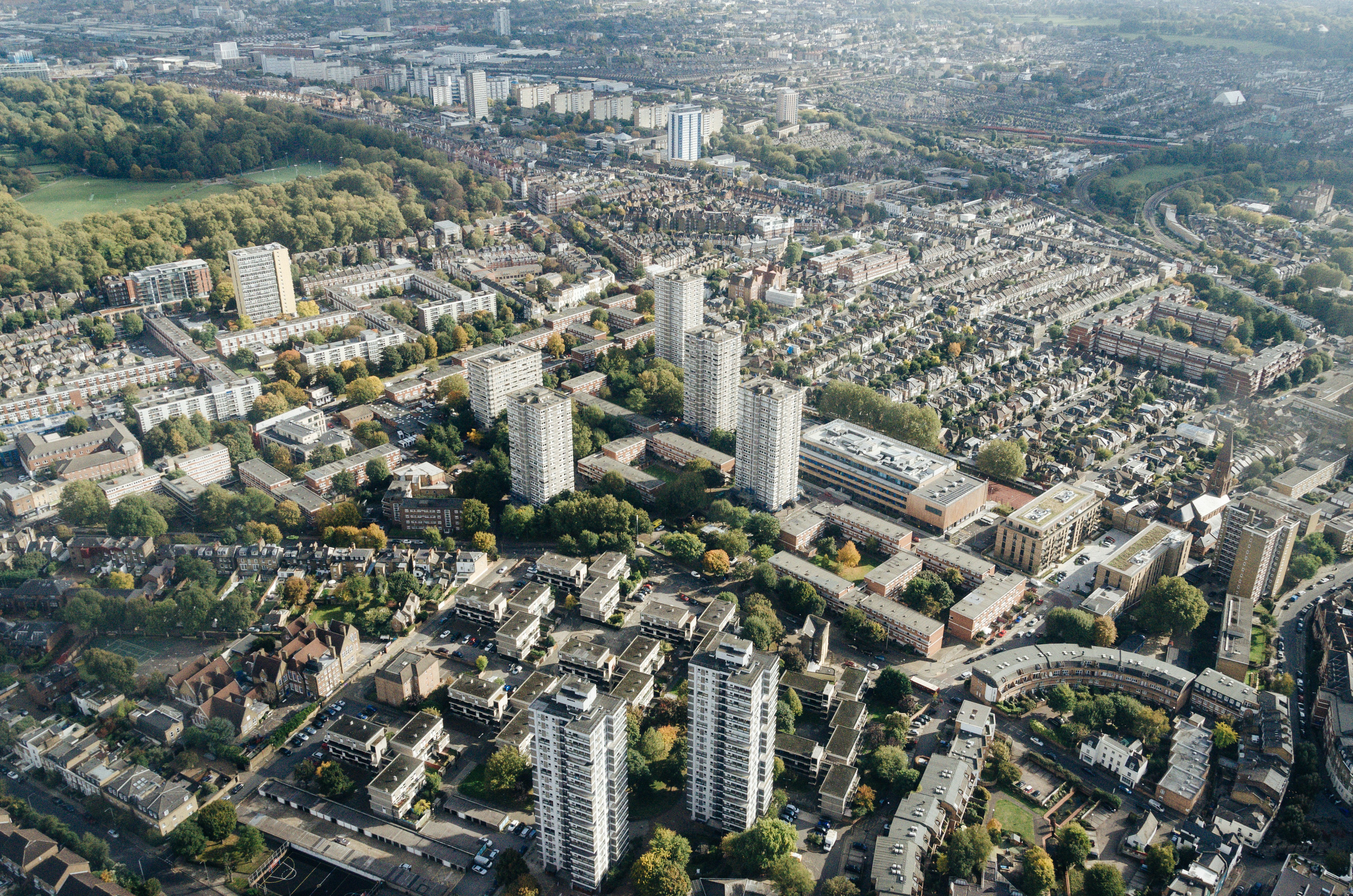 Why IoT Is Essential for Urban Development
For example, smart traffic management systems powered by smart city technologies can analyse traffic patterns and adjust signal timings dynamically to reduce congestion. Singapore implements this system by using adaptive signal control to respond to prevailing traffic conditions across multiple junctions, improving overall network efficiency (Land Transport Authority, 2025). Similar intelligent transport systems have also been implemented in cities such as Barcelona, where data-driven traffic optimisation has contributed to reduced congestion and environmental impact (Elassy, 2024).
Key Smart City Technologies Driving Urban Transformation
Several emerging smart city technologies are accelerating the adoption of IoT for urban development across major metropolitan regions.
Intelligent Transportation Systems
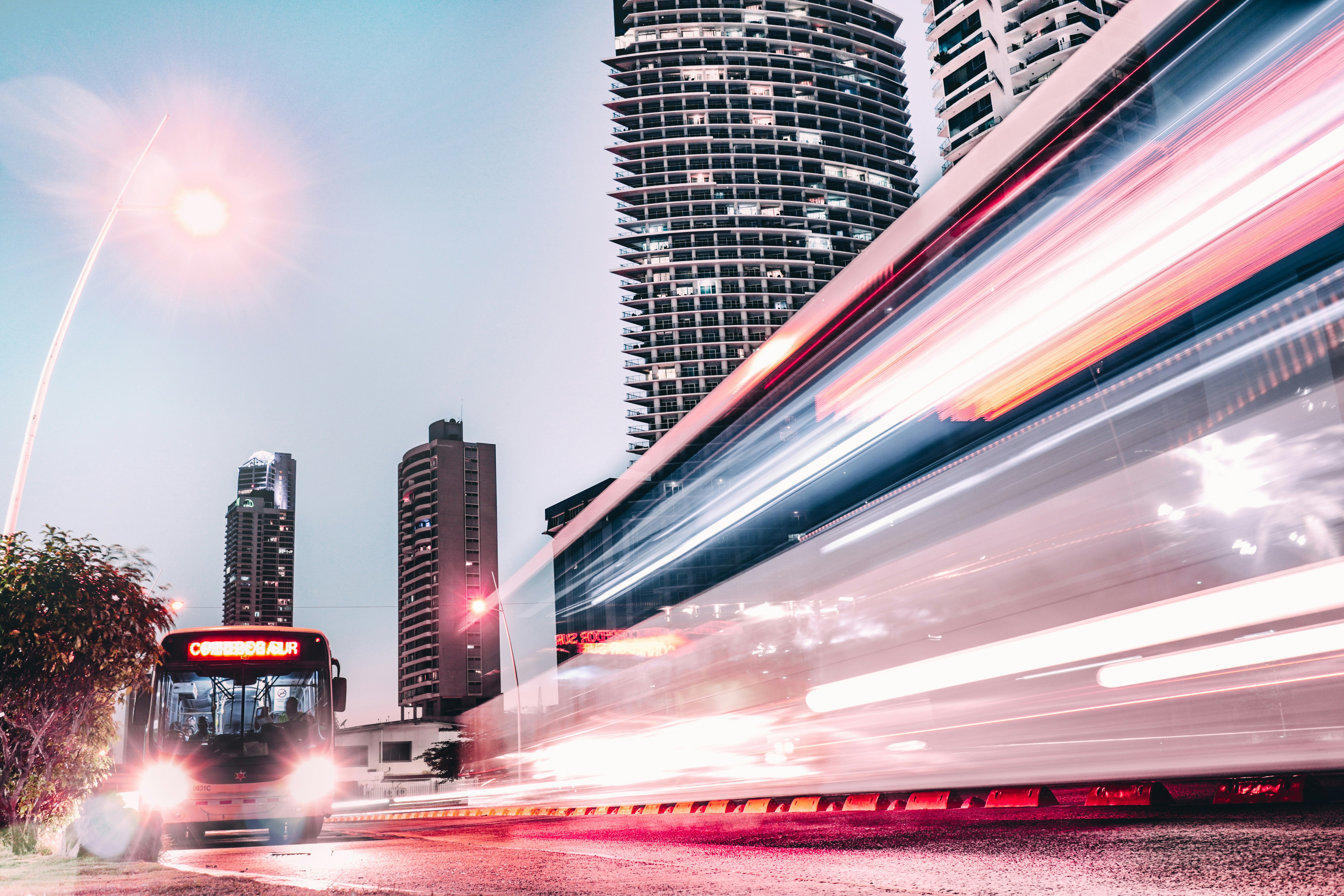
Transportation is one of the most visible applications of IoT for urban development. Smart mobility platforms integrate data from vehicles, road sensors, and public transport networks to create more efficient transportation systems.
Cities deploying smart city technologies such as AI-powered traffic management systems have reported measurable improvements in congestion reduction and road safety.
 Smart Energy and Utilities
Energy consumption is another critical area where IoT for urban development is delivering transformative results.
Smart grids and connected energy systems use smart city technologies to balance supply and demand dynamically, reducing waste while supporting renewable energy integration. The International Energy Agency highlights that energy efficiency improvements, increasingly driven by digital technologies, are the single largest factor in reducing global energy demand growth and supporting sustainable urban infrastructure (IEA, 2023).
AI as the Brain Behind Smart Cities
While IoT devices generate vast amounts of data, artificial intelligence is essential for turning this information into actionable insights. AI platforms analyse urban data streams to identify patterns, predict infrastructure needs, and automate decision-making.
For example, predictive maintenance systems powered by smart city technologies can detect infrastructure failures before they occur, reducing downtime and maintenance costs. Gartner predicts that by 2029, 60% of government agencies worldwide will leverage AI agents to automate citizen services, highlighting the growing role of AI in public sector and urban systems (Gartner, 2025).
Explore how AI is transforming infrastructure management and urban operations at ATxEnterprise 2026, featuring dedicated sessions on AI-powered solutions and real-time data analytics.
The Future of IoT-Enabled Urban Development
The global smart cities market is projected to reach approximately US$1.91 trillion by 2030 (Yahoo Finance, 2026). This growth reflects increasing demand for IoT for urban development solutions that improve sustainability, mobility, and economic resilience.
Future smart city technologies will likely focus on:
- Autonomous transportation systems
- AI-powered urban planning tools
- Climate monitoring networks
- Digital twins for city infrastructure
These innovations will allow cities to simulate infrastructure decisions before implementing them, improving long-term planning and sustainability outcomes.

Shaping the Cities of Tomorrow
As urban populations grow and infrastructure demands increase, IoT for urban development will play a critical role in shaping the cities of the future.
Global technology leaders, policymakers, and urban innovators will gather at ATxEnterprise 2026 to discuss the latest smart city technologies driving digital transformation in urban environments.
Explore how you can be part of the conversation by visiting the registration page, discovering the attendee experience, or upgrading to a Premium Pass to access exclusive leadership sessions and networking opportunities.