
Where Asia’s tech ecosystem comes together.
- 00Days
- 00Hrs
- 00Mins
- 00Secs
The Role of Edge Computing in Modern Data Centres
Why Edge Computing Is Reshaping Data Centre Architecture
The rapid expansion of artificial intelligence (AI), IoT devices, and latency-sensitive applications is driving enterprises to rethink traditional cloud architectures. Increasingly, organisations are adopting Edge Computing strategies to process data closer to where it is generated, rather than relying solely on centralised hyperscale facilities.
According to Gartner, by 2027, over 50% of enterprise-managed data will be processed outside traditional data centres or cloud environments, compared to less than 10% a decade ago. This shift is accelerating the adoption of Edge Computing and distributed infrastructure, enabling real-time analytics, automation, and faster decision-making.
Emerging Data Centre Infrastructure Trends are also redefining how enterprises design and deploy digital infrastructure. These trends include modular edge facilities, AI-optimised computing clusters, and energy-efficient cooling technologies. Explore how these technologies are transforming enterprise infrastructure at ATxEnterprise 2026, where global leaders will examine the future of distributed computing and digital ecosystems.
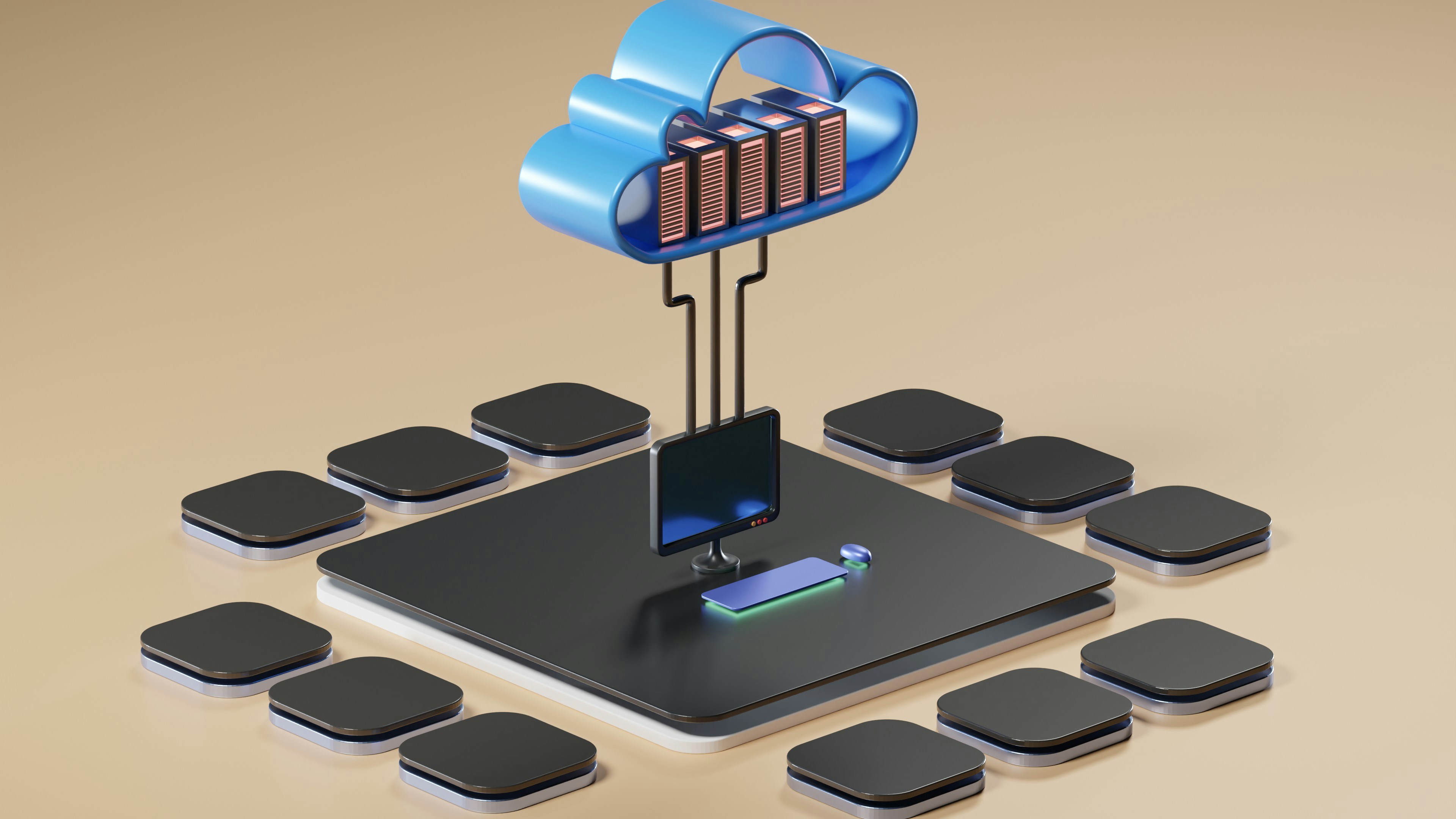
Why Edge Computing Matters in Today's Data Economy
The explosion of connected devices is generating unprecedented data volumes. IDC estimates that global data creation will reach 175 zettabytes by 2025, much of it generated outside traditional data centres.
Edge Computing plays a critical role in addressing this challenge by enabling enterprises to:
- Process data locally for faster insights
- Reduce network congestion and bandwidth costs
- Improve service reliability for mission-critical systems
For example, manufacturing companies deploy Edge Computing within smart factories to support predictive maintenance and real-time robotics control. Other industries, such as autonomous vehicles, smart retail stores, and telemedicine platforms, also depend heavily on distributed processing architectures.
These use cases highlight why Data Centre Infrastructure Trends are shifting towards hybrid ecosystems that combine hyperscale facilities with regional and edge deployments. Learn how AI and real-time data processing are revolutionising industrial operations at the ATxEnterprise workshops, featuring hands-on sessions on immersive technologies and intelligent infrastructure.
Key Data Centre Infrastructure Trends Driving Edge Adoption
Distributed Data ArchitecturesTraditional data centres were designed around centralised computing models. Today, enterprises are implementing distributed architectures that integrate cloud, regional, and edge facilities. This hybrid model ensures that Edge Computing can handle real-time processing whilst hyperscale facilities manage long-term storage and analytics workloads.
AI-Optimised Infrastructure
The growing adoption of AI workloads is reshaping data centre infrastructure trends globally. GPUs and specialised AI accelerators require higher power density and advanced cooling systems. Edge deployments increasingly incorporate AI capabilities to support applications such as video analytics, industrial automation, and smart transportation systems. Discover how AI is transforming infrastructure management at ATxEnterprise 2026, with dedicated sessions on machine learning integration and intelligent automation.
Modular and Micro Data Centres
One of the most significant trends is the rise of modular infrastructure. Micro data centres can be deployed quickly in remote or urban environments, enabling enterprises to scale Edge Computing closer to end users. These modular facilities are especially useful in retail networks, telecom infrastructure, and industrial sites.
 The Role of Telecom and 5G Networks
 Telecommunications operators are amongst the biggest investors in Edge Computing due to their ability to support ultra-low-latency services. With the rollout of 5G networks, edge infrastructure is increasingly
deployed at telecom base stations and regional hubs. This enables applications such as augmented reality, cloud gaming, and autonomous logistics systems to operate with minimal delay.
GSMA Intelligence estimates that edge computing services could generate over US$700 billion in enterprise value by 2030, highlighting the massive opportunity created by evolving Data Centre Infrastructure Trends. Explore the convergence of 5G and edge computing at the ATxEnterprise Master Classes, covering next-generation connectivity and network architecture.
Sustainability and Energy Efficiency
Energy consumption remains a major challenge for data centre operators. According to the International Energy Agency (IEA), data centres account for around 1–1.5% of global electricity consumption. This has placed sustainability at the centre of Data Centre Infrastructure Trends.
Operators are redesigning Edge Computing facilities to improve energy efficiency through:
- Liquid cooling technologies
- AI-driven energy management systems
- Renewable energy integration
Hyperscale cloud providers such as Microsoft and Google have pledged to run carbon-free data centres within the next decade.
Security and Data Sovereignty Considerations
Whilst Edge Computing provides significant performance advantages, it also introduces new cybersecurity challenges. Distributed infrastructure increases the attack surface for malicious actors, making it essential for organisations to implement robust security frameworks.
Key strategies include:
- Zero-trust security architectures
- AI-driven threat detection
- Secure hardware and encrypted edge devices
As governments introduce stricter data sovereignty regulations, trends are shifting towards regional infrastructure deployments that comply with national data governance laws. Join industry leaders at ATxEnterprise 2026 to discuss regulatory frameworks, security best practices, and compliance strategies for distributed infrastructure.
The Future of Edge-Enabled Infrastructure
The continued expansion of AI, IoT, and 5G will further accelerate investment in Edge Computing. McKinsey estimates that enterprises could spend over US$250 billion on edge infrastructure by 2030, making it one of the fastest-growing segments of the global technology ecosystem.
Future trends are likely to include:
- Autonomous data centre operations using AI
- Integration with satellite connectivity networks
- Advanced cooling systems for high-density computing
Stay ahead of these emerging trends by attending ATxEnterprise workshops, featuring expert-led sessions on AI automation, immersive visualisation, and next-generation infrastructure technologies.

Join the Conversation at ATxEnterprise 2026
As enterprises continue to adopt Edge Computing, industry leaders are seeking new strategies to scale infrastructure whilst maintaining efficiency, security, and sustainability. At ATxEnterprise 2026, global technology executives, cloud providers, and infrastructure experts will gather to explore the latest Data Centre Infrastructure Trends shaping the future of digital ecosystems.
Connect with the leaders driving edge computing innovation:
- Register for ATxEnterprise 2026 – 20-22 May 2026 at Singapore EXPO
- Enrol in specialised workshops on AI, connectivity, and distributed infrastructure
- Explore the speaker lineup featuring global experts in data centre technology and digital transformation
- Secure your Premium Pass for exclusive networking and leadership sessions with infrastructure innovators