
Where Asia’s tech ecosystem comes together.
- 00Days
- 00Hrs
- 00Mins
- 00Secs
The digital transformation accelerating across industries has created an unprecedented demand for data centre capacity, but this growth comes with a significant environmental cost. As organisations grapple with rising energy consumption and carbon emissions, green data centre solutions have emerged as a critical priority for the industry. The path forward requires innovative technologies, strategic planning, and a fundamental rethinking of how we design and operate digital infrastructure.
Understanding the Environmental Challenge
Data centres worldwide consume vast amounts of electricity, with estimates suggesting they account for approximately 1% of global energy use. A study published in Science reveals that without intervention, data centre energy consumption could reach 8% of global electricity demand by 2030. This trajectory is unsustainable, particularly as climate commitments demand rapid decarbonisation across all sectors.
The environmental impact extends beyond electricity consumption. Water usage for cooling systems, electronic waste from hardware disposal, and the carbon footprint embedded in construction materials all contribute to the industry's ecological footprint. Addressing these challenges requires comprehensive strategies that tackle multiple dimensions of sustainability simultaneously.
Industry leaders gathering at ATxEnterprise 2026 will explore how organisations can implement these strategies effectively whilst maintaining operational excellence.

Revolutionary Cooling Technologies Transforming Efficiency
Among the most promising areas for improvement are data centre cooling technologies, which traditionally consume 30-40% of a facility's total energy. Conventional air-based cooling systems are giving way to more efficient alternatives that dramatically reduce power consumption whilst improving thermal management.
Liquid cooling represents a paradigm shift in thermal management. By circulating water or specialised fluids directly to heat-generating components, these systems achieve superior heat transfer efficiency compared to air cooling. Research from the Uptime Institute indicates that direct liquid cooling can reduce cooling energy consumption by up to 50% whilst enabling higher computing densities. This technology is particularly valuable for high-performance computing and artificial intelligence workloads that generate intense heat loads.
Immersion cooling takes this concept further by submerging entire servers in thermally conductive but electrically insulating liquid. This approach eliminates the need for traditional air conditioning systems entirely, achieving power usage effectiveness (PUE) ratios as low as 1.03. Whilst adoption remains limited due to operational considerations, immersion cooling represents the frontier of energy-efficient thermal management.
Free cooling strategies leverage natural environmental conditions to reduce mechanical cooling requirements. In suitable climates, outside air can be filtered and used directly, or heat exchangers can transfer thermal energy without energy-intensive refrigeration. According to data from the Lawrence Berkeley National Laboratory, facilities implementing airside economisation can reduce cooling energy by 60% or more in appropriate locations.
Renewable Energy and Smart Power Management
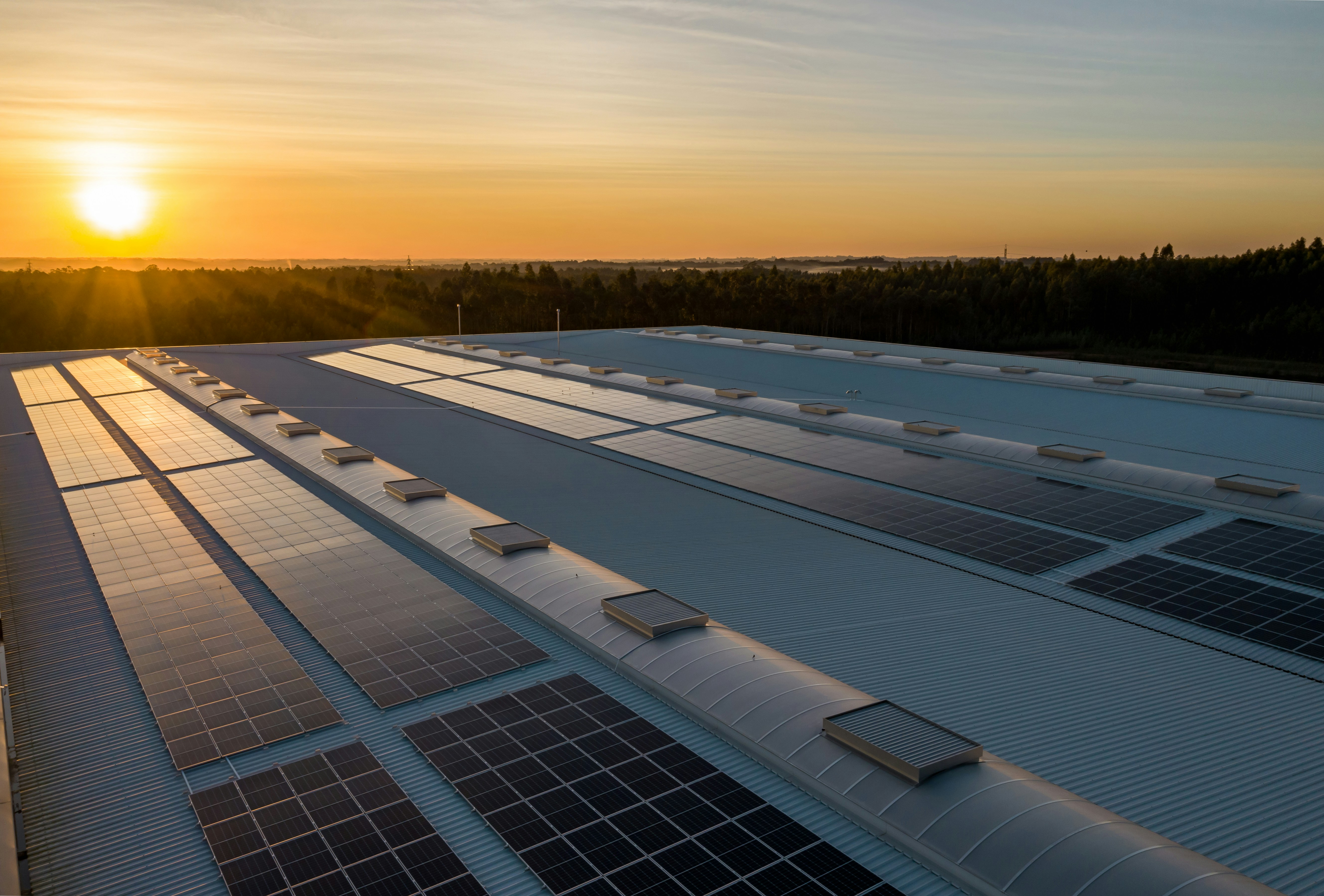
Transitioning to renewable energy sources forms another cornerstone of sustainable data centre operations. Leading organisations are pursuing diverse strategies, from on-site solar installations to long-term wind power purchase agreements. Some hyperscale operators have achieved 100% renewable energy matching, though the industry continues working towards true 24/7 carbon-free energy.
Intelligent power management systems optimise energy distribution in real-time using artificial intelligence and machine learning. These systems predict workload patterns, adjust cooling dynamically, and shift computational tasks to periods when renewable energy availability peaks. Google reported that its DeepMind AI reduced data centre cooling energy by 40% through predictive optimisation.
Battery energy storage systems provide additional flexibility, storing excess renewable energy for use during peak demand or grid instability. This capability improves sustainability metrics whilst enhancing operational resilience and enabling participation in grid services programmes.
Circular Economy and Hardware Lifecycle Innovation
Sustainable operations extend beyond energy efficiency to encompass the entire hardware lifecycle. Progressive organisations are adopting circular economy principles, extending equipment lifespan through refurbishment, implementing comprehensive recycling initiatives, and designing facilities with modular components that can be upgraded rather than replaced.
Server refresh cycles are being reconsidered industry-wide. Extending hardware life from three to five years or longer reduces electronic waste, lowers capital expenditure, and decreases the embodied carbon associated with manufacturing new equipment. When hardware reaches end-of-life, responsible recycling programmes recover valuable materials whilst ensuring proper disposal of hazardous components.
Advanced Building Design and Infrastructure Optimisation
Green data centre solutions encompass facility design from the ground up. Modern sustainable facilities incorporate natural ventilation where possible, use recycled or low-carbon construction materials, and implement modular designs that allow capacity expansion without wholesale reconstruction.
Water conservation has become increasingly important as drought conditions affect many regions. Closed-loop cooling systems minimise water consumption, whilst some facilities are exploring alternative cooling mediums that eliminate water use entirely. Rainwater harvesting and greywater recycling further reduce environmental impact.

The Business Case for Sustainability
Whilst environmental responsibility drives many sustainability initiatives, the business case has become increasingly compelling. Energy efficiency improvements directly reduce operational costs, with some organisations reporting annual savings exceeding millions of pounds. Renewable energy contracts provide price stability and hedge against fossil fuel volatility.
Corporate sustainability commitments and regulatory requirements are accelerating adoption. The European Union's Energy Efficiency Directive mandates reporting and improvement targets, whilst similar regulations are emerging globally. Customers increasingly factor environmental performance into vendor selection, making sustainability a competitive differentiator.
Industry events like ATxEnterprise 2026 provide crucial platforms for knowledge sharing and collaboration on sustainability challenges. These gatherings bring together data centre operators, technology providers, and sustainability experts to explore emerging solutions and best practices. The event's focus on enterprise technology and digital transformation includes dedicated sessions on sustainable infrastructure development.
Join the Green Data Centre Revolution
As sustainability imperatives converge with technological innovation, enterprises across industries are discovering transformative approaches to data centre operations that were impossible just years ago.
At ATxEnterprise 2026, global technology leaders, data centre operators, and sustainability innovators will explore practical strategies for implementing green data centre solutions and leveraging advanced data centre cooling technologies to drive both environmental and business value.
Connect with pioneers shaping the future of sustainable infrastructure:
- Register for ATxEnterprise 2026 – 20-22 May 2026 at Singapore EXPO
- Enrol in specialised workshops that explore innovative technologies shaping the future, including AI-driven automation, multi-agent architechtures, and secure AI applicants.
- Secure your Premium Pass for exclusive networking with sustainability leaders and green technology innovators
The convergence of environmental responsibility and operational efficiency is eliminating the barriers to truly sustainable data centres, enabling innovations that will transform the industry and contribute to global climate goals.