
Where Asia’s tech ecosystem comes together.
- 00Days
- 00Hrs
- 00Mins
- 00Secs
Asia-Pacific media is entering a more practical phase of digital transformation. The question is no longer whether broadcasters should adopt artificial intelligence, cloud infrastructure or IP workflows, but how quickly these tools can improve content and commercial results. These broadcasting trends in 2027 reveal an industry becoming more flexible, personalised and connected—and show why APAC media technology will remain central to the future of broadcasting.
AI Becomes Part of Everyday Production
Artificial intelligence is moving out of isolated trials and into routine editorial work. Broadcasters are using AI-assisted tools for logging, captioning, translation, metadata creation, clip selection and workflow monitoring, while human teams retain control over editorial judgement and storytelling. The International Telecommunication Union’s report on cloud-based programme production identifies AI-powered media services as an increasingly important part of modern production environments. ATxEnterprise 2026 also reflected the industry’s shift from experimentation towards the practical use of new media technologies.
Download the ATxEnterprise 2026 Post-Show Report here.

Cloud-Native Production Moves Beyond Storage
Cloud adoption is becoming less about moving archives off-site and more about running complete production workflows remotely. Live production, editing, asset management, playout and distribution can increasingly operate across connected cloud, edge and terminal environments. According to the International Telecommunication Union, these systems can support collaborative production across locations, cloud-based live programming and on-demand access to computing resources. For APAC broadcasters serving multiple languages and markets, this flexibility is especially valuable. Future broadcast innovation will favour modular systems activated when needed rather than infrastructure built permanently for peak demand.
IP-First Facilities Become the New Standard
The transition from serial digital interface systems to IP-based production is accelerating. The SMPTE ST 2110 standards allow video, audio and data to travel as separate, synchronised streams over managed IP networks. This gives facilities more freedom to route signals, expand production capacity, and combine equipment from different vendors. In 2027, more broadcasters will treat IP as the foundation of new studios, control rooms and remote-production hubs. This transition will also increase demand for broadcast engineers with stronger networking, software, and cybersecurity skills.

5G Makes Remote Production More Dependable
5G is becoming a serious production tool rather than simply a technology demonstration. Its bandwidth, low latency and quality-of-service capabilities can support wireless cameras, synchronised video feeds and remote audiovisual production. The International Telecommunication Union has documented a growing range of 5G applications for media contribution and content production, including private 5G networks and high-quality real-time broadcasting.
ATxEnterprise 2026 brought related conversations around virtual production, professional audiovisual technology and next-generation media workflows into the spotlight, showing how production teams can become more flexible without lowering broadcast standards. These topics were also explored in ATxEnterprise’s article on five Pro AVL trends transforming the broadcast industry.
Hybrid Broadcast-Broadband Delivery Gains Ground
Audiences do not think in terms of terrestrial, satellite or streaming delivery—they simply expect content to appear reliably on their chosen screen. DVB-I provides a common way for television services to be signalled and discovered across broadcast, broadband and hybrid environments. Recent DVB-I updates have strengthened areas such as interoperability, service discovery, application signalling and accessibility. This media technology trend allows linear channels, catch-up services and IP streams to sit within a more unified viewing experience, giving broadcasters greater flexibility without abandoning their existing audience reach.
Better Compression Unlocks Richer Experiences
Improved codecs and next-generation broadcasting standards will make higher-quality media more practical across APAC’s uneven network conditions. The latest ATSC 3.0 system standards support IP-based distribution, ultra-high-definition services, enhanced reception and interactive capabilities. Its next-generation AC-4 audio framework also supports immersive and personalised television sound. Rather than chasing resolution alone, broadcasters will increasingly focus on balancing picture quality, sound, latency and bandwidth efficiency for each device and distribution platform.
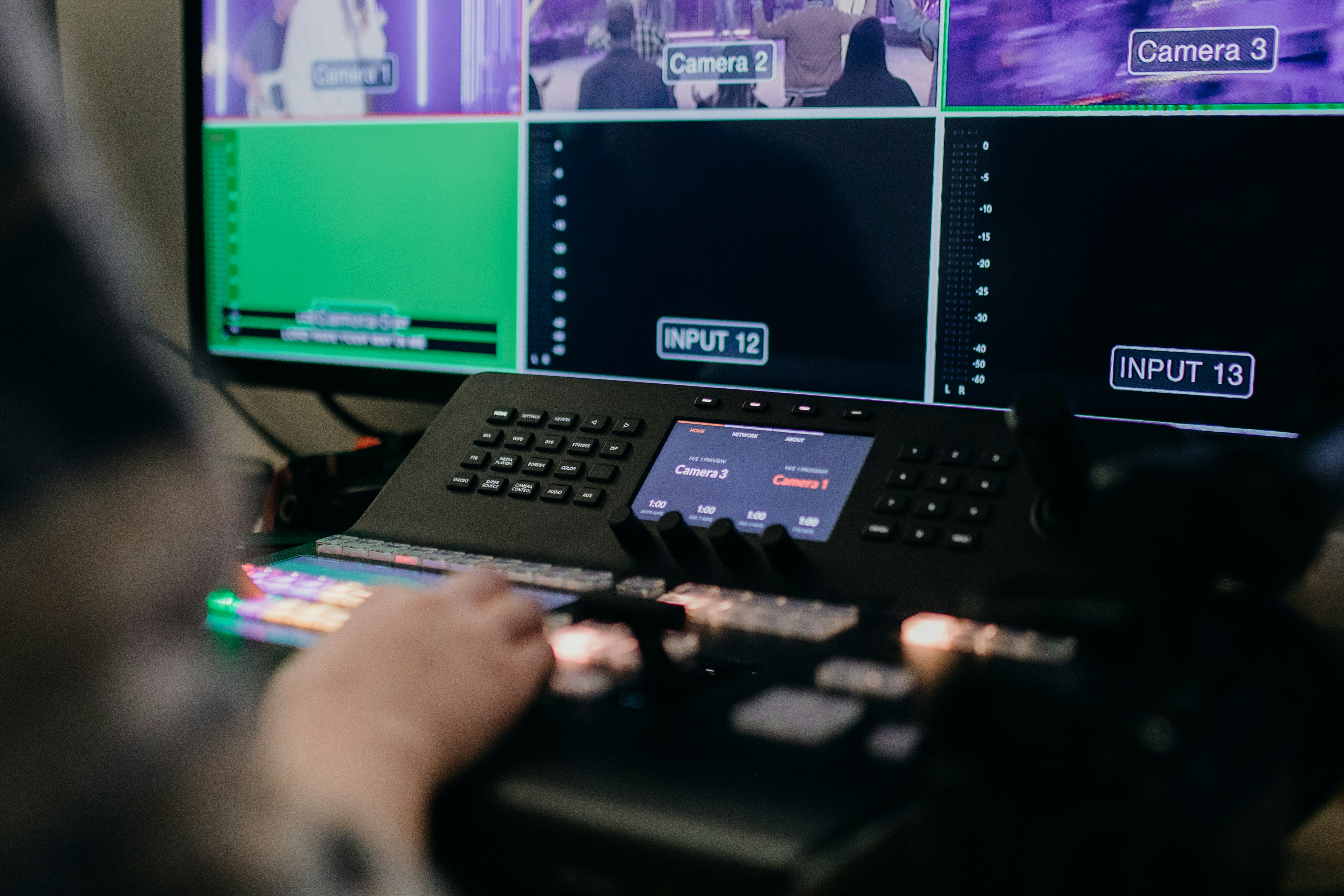
Personalisation Reaches Live Television
Personalised recommendations are already expected on streaming platforms, but similar thinking is moving into broadcast services. Connected broadcasting standards can support interactive applications, customised information, accessibility options, and more relevant content journeys alongside scheduled programming. The ATSC interactive content standard, for example, creates a framework for broadcaster applications that can operate within the ATSC 3.0 environment.
The challenge will be using audience data responsibly while keeping the experience simple. In 2027, effective personalisation will not mean presenting viewers with endless choices. It will reduce friction, surface useful content, and make live television feel more responsive.
Virtual Production Becomes More Accessible
Virtual sets, real-time graphics, and extended-reality production are moving beyond high-budget studios. More accessible tools and stronger connectivity allow regional broadcasters, corporate studios, and live-event producers to create polished environments without maintaining permanent physical sets.
ATxEnterprise 2027 is expected to connect the broadcast and media ecosystem with the wider enterprise technology landscape, bringing together technologies covering content creation, production, distribution and immersive storytelling. The most valuable applications will improve production speed, consistency, and creative flexibility rather than using visual spectacle for its own sake.
Sustainability Becomes an Engineering Requirement
Energy consumption is becoming a measurable part of broadcast technology planning. Transmission networks, studios, data centres and streaming workflows all carry environmental and operating costs. As production becomes more software-defined, broadcasters will need to consider whether their cloud, edge and IP systems genuinely reduce energy and resource use or simply move that consumption elsewhere.
In 2027, broadcasters are likely to compare technology solutions based not only on performance and price, but also on electricity consumption, infrastructure utilisation, hardware lifespan, and long-term operating efficiency.

Cybersecurity and Provenance Move Centre Stage
As broadcasting becomes more software-defined and connected, cybersecurity can no longer sit outside the production conversation. The European Broadcasting Union recommends that media organisations apply stronger cybersecurity safeguards when designing, purchasing and operating media systems, software and cloud-based services.
Generative AI is also increasing pressure to verify where images, audio and video originated. The Coalition for Content Provenance and Authenticity has developed Content Credentials standards designed to record the source and history of digital media. Together, infrastructure security and content provenance will be essential to protecting broadcast continuity and maintaining audience trust.
The Future of Broadcasting Is Already Taking Shape
The leading broadcasting trends in 2027 are not isolated technologies. AI, cloud infrastructure, IP production, 5G, immersive content and secure hybrid delivery are becoming part of one connected media ecosystem. Together, these media technology trends will determine how efficiently content is produced, how widely it is distributed, and how confidently audiences can trust it.
Taking place from 26 to 28 May 2027, ATxEnterprise 2027 will bring the broadcast, communications, satellite, and wider enterprise technology industries together at Singapore EXPO. It will provide a platform for the industry to experience how the future of broadcasting is moving from emerging concept to practical reality across Asia-Pacific.
Pre-register for ATxEnterprise 2027 to experience the technologies shaping APAC media.