
Where Asia’s tech ecosystem comes together.
- 00Days
- 00Hrs
- 00Mins
- 00Secs
The Revolutionary Impact of 5G for Smart Cities on Urban Development
The deployment of fifth-generation wireless technology is fundamentally transforming urban environments, enabling cities to become more efficient, sustainable, and responsive to citizen needs. 5G for smart cities represents far more than faster mobile internet—it provides the foundational infrastructure for real-time data processing, massive IoT device connectivity, and intelligent systems that optimise every aspect of urban life.
ABI Research projects that smart-city urban infrastructure investments will reach US$375 billion by 2030. With 5G enabling lower latency, greater capacity, and more tailored connectivity through network slicing, cities are expanding digital services across transport, energy, public safety, and healthcare.
Understanding 5G for Smart Cities
5G for smart cities delivers three critical capabilities that distinguish it from previous wireless generations:
- Enhanced Mobile Broadband (eMBB): Peak speeds exceeding 10 Gbps enable high-definition video surveillance, augmented reality applications, and real-time data analytics.
- Ultra-Reliable Low-Latency Communication (URLLC): Latency below 1 millisecond supports autonomous vehicles, remote surgery, and critical infrastructure control requiring instantaneous response.
- Massive Machine-Type Communication (mMTC): Connectivity for up to 1 million devices per square kilometre enables comprehensive sensor networks and IoT ecosystems.
GSMA Intelligence research indicates that 5G can help improve operational efficiency and support smart-city applications through capabilities such as low latency, reliability, automation, and real-time monitoring, compared with older connectivity approaches.
Connected Infrastructure: The Smart City Foundation
Connected infrastructure powered by 5G for smart cities creates intelligent urban ecosystems where physical assets communicate seamlessly to optimise performance and resource utilisation.
Intelligent Transportation Networks
5G-enabled transportation systems integrate autonomous vehicles, traffic management, public transit, and pedestrian safety into unified networks. Connected infrastructure allows traffic signals to adjust timing based on real-time congestion, emergency vehicles to receive priority routing, and autonomous shuttles to navigate complex urban environments safely.
Cities including Seoul, Singapore, and Dubai have deployed 5G transportation networks that reduce average commute times by 20-30% whilst improving safety outcomes. According to NHTSA, safety applications enabled by connected vehicle technologies such as V2V and V2I could help eliminate or mitigate the severity of up to 80% of non-impaired crashes. 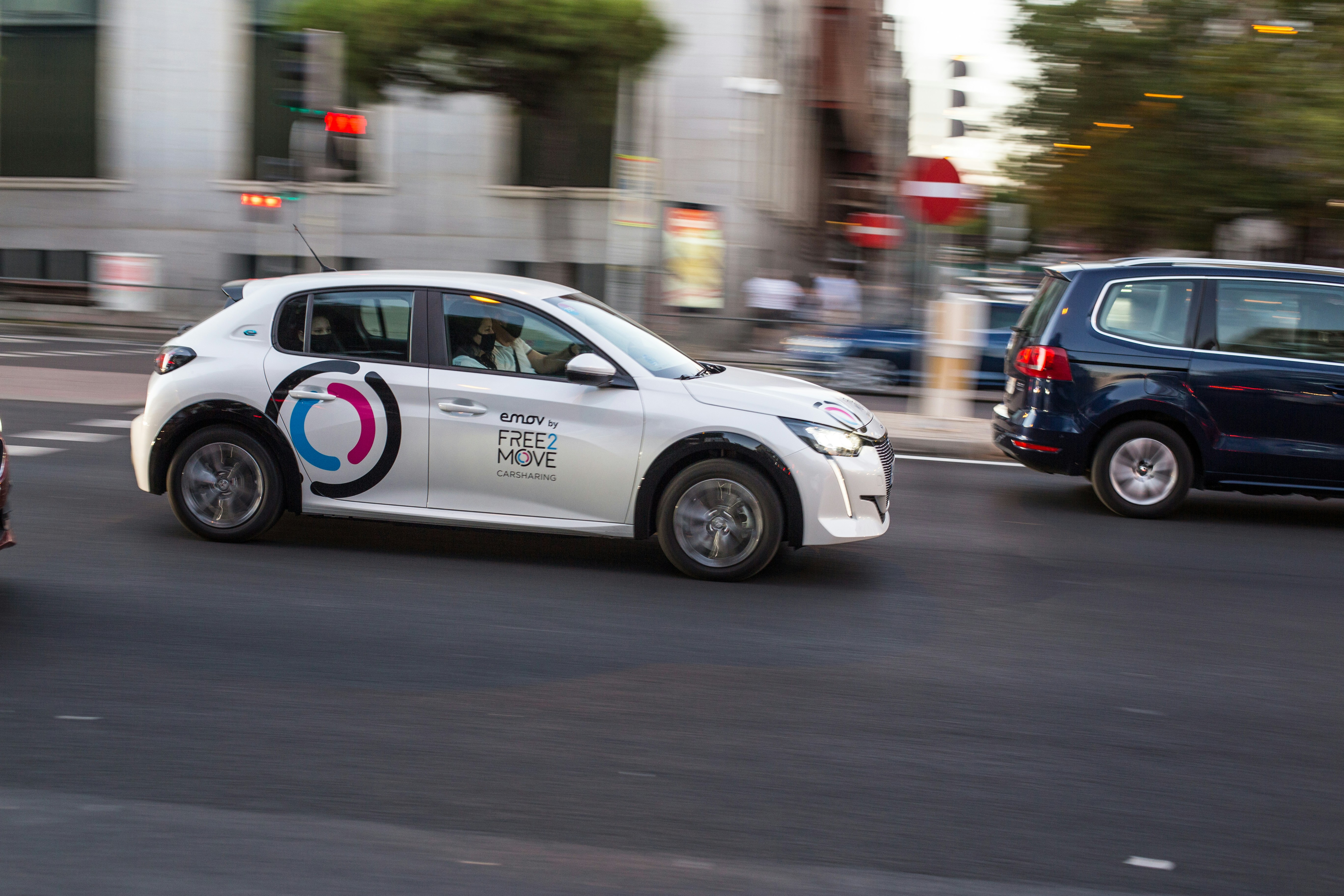
Smart Energy Grids
5G for smart cities enables real-time monitoring and control of distributed energy resources, including solar panels, wind turbines, battery storage, and electric vehicle charging infrastructure. This connected infrastructure optimises energy distribution, reduces waste, and facilitates renewable energy integration.
Public Safety and Emergency Response
5G networks support high-definition video surveillance, facial recognition, gunshot detection, and real-time emergency coordination. Connected infrastructure enables first responders to access building layouts, medical records, and situational intelligence instantly, improving response times and outcomes.
Transformative Smart City Applications
Environmental Monitoring and Sustainability
5G for smart cities supports dense networks of environmental sensors monitoring air quality, noise pollution, water quality, and weather conditions in real-time. This data enables cities to identify pollution sources, issue health alerts, and implement targeted interventions.
Barcelona's 5G environmental monitoring network has reduced air pollution by 18% through data-driven traffic management and industrial emission controls, demonstrating the power of connected infrastructure for sustainability.
 Smart Buildings and Infrastructure Management
5G connectivity enables buildings to become intelligent ecosystems that optimise heating, cooling, lighting, and security based on occupancy patterns and environmental conditions. Connected infrastructure extends to bridges, tunnels, and roads equipped with sensors that detect structural issues before they become critical.
Healthcare and Telemedicine
5G for smart cities enables remote patient monitoring, telemedicine consultations, and even remote surgery through ultra-low latency connections. Ambulances equipped with 5G transmit patient data to hospitals in real-time, allowing emergency departments to prepare before arrival.
Edge Computing and 5G Integration
Edge computing processes data near its source rather than transmitting it to distant data centres, reducing latency and bandwidth requirements. 5G for smart cities and edge computing create powerful synergies enabling real-time decision-making for autonomous vehicles, industrial automation, and augmented reality applications.
IBM explains that edge computing allows enterprises to process data closer to where it is generated, reducing latency and bandwidth constraints, while 5G strengthens this shift by enabling faster, lower-latency connectivity for real-time insights and control.
Explore edge computing and 5G integration strategies at ATxEnterprise 2026, where technology innovators will showcase next-generation architectures for intelligent urban systems.
Implementation Challenges and Solutions
Infrastructure Investment
Deploying comprehensive 5G for smart cities requires substantial investment in small cell networks, fibre backhaul, and edge computing infrastructure. Cities are addressing this through public-private partnerships, shared infrastructure models, and phased deployment strategies.
Cybersecurity Considerations
Connected infrastructure creates expanded attack surfaces requiring robust security frameworks. Cities implement zero-trust architectures, AI-powered threat detection, and comprehensive encryption to protect critical systems.
Digital Equity
Ensuring equitable access to 5G benefits across all neighbourhoods and socioeconomic groups remains essential. Progressive cities prioritise underserved areas in deployment plans and offer subsidised connectivity programmes.

Join the 5G Smart City Revolution
As urban populations continue growing, 5G for Smart Cities and connected infrastructure become essential for creating liveable, sustainable, and prosperous urban environments.
At ATxEnterprise 2026, global municipal leaders, telecommunications providers, and technology innovators will explore practical strategies for implementing 5G infrastructure and developing transformative smart city applications.
Connect with leaders shaping the future of urban technology:
- Register for ATxEnterprise 2026 – 20-22 May 2026 at Singapore EXPO
- Enrol in specialised workshops on building AI agents for real applicants and AI-powered code generation and developer productivity
- Secure your Premium Pass for exclusive networking with telecommunications and smart city leaders
The future of urban living is connected, intelligent, and powered by 5G. By embracing 5G for Smart Cities and building comprehensive connected infrastructure, municipalities can deliver unprecedented quality of life whilst addressing sustainability and efficiency challenges.